
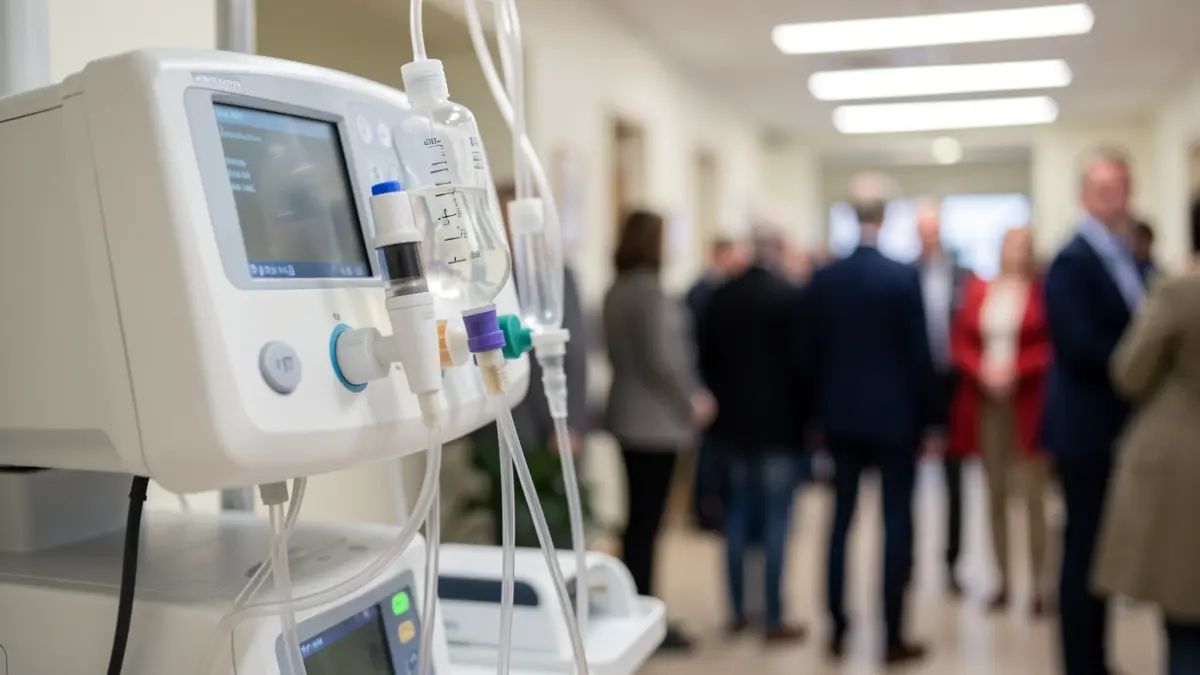
The Cambridge-led SIMPLIFIED trial, investigating high-dose vitamin D supplementation for dialysis patients, found no overall benefits but revealed interesting patterns for certain sub-groups. Around 30,000 people in the UK rely on dialysis, with survival rates stagnating and complications being common.
Sameer Solomon, who has been on dialysis for over three years due to late-stage kidney disease, shared his experience: "Dialysis is keeping me alive, but so much of my life is spent simply living between sessions. Kidney disease and its treatment are a constant presence in my everyday life, both physically and emotionally."
He added, "The burden of kidney disease and care is enormous, yet research remains underfunded and treatment options are limited. That’s why this trial, and the wider research it contributes to, is so important. It gives me hope that we can drive progress towards better treatments, improved care, and a brighter future for people living with kidney disease."
The trial, involving over 3,800 patients across England, Scotland, and Wales, was presented at the American Society of Nephrology conference in Denver. While high-dose vitamin D did not benefit all patients, the findings offer encouragement for patients like Sameer.
Dr Rona Smith, Consultant Nephrologist at Addenbrooke’s Hospital and Senior Research Associate at the University of Cambridge, led the trial. She stated, "The results of the trial do not support use of high-dose vitamin D supplementation for all dialysis patients. But we found some interesting patterns in some sub-groups of patients, which require further investigation."
Dr Smith and her team hope the results will spur further research, particularly targeted studies on vitamin D supplementation for specific patient groups. Sameer highlighted the importance of research participation for under-represented groups, noting, "People of colour in the UK are already more likely to be lacking vitamin D so the need for more focused research is key."
The SIMPLIFIED trial, which ran from 2017 to October 2025, involved patients from 55 dialysis centres. Participants were followed for several years to assess the treatment's benefits. Sameer found participating easy, stating, "I think it’s really important to put yourself forward for research. The fact that this trial used information that’s already collected as part of my care made it really easy to take part without really doing anything different."
The study's innovative use of existing NHS data, including from the UK Renal Registry, saved time and money. Experts emphasise the rising number of people with kidney disease necessitates large-scale research to improve survival and quality of life for dialysis patients.
Dr Katie Vinen, UK Kidney Association President, commented, "Large, randomised trials of this kind are essential to establish whether treatments improve survival and reduce serious complications. By testing high-dose vitamin D, SIMPLIFIED addresses an important practical question and demonstrates the value of national patient data in informing future care."
Fiona Loud, Policy Director at Kidney Care UK, added, "Shockingly, treatments for people with kidney failure have barely changed in the last couple of decades, so research into ways life could be improved for people on dialysis in particular is vital and most welcome."
Sameer, who is on the waiting list for a kidney transplant, shared his personal journey, detailing the physical and emotional toll of dialysis and his hope for future improvements in treatment. He underwent multiple surgeries for dialysis ports and manages a demanding schedule of home and centre-based dialysis.
He expressed his desire for a transplant, saying, "When I get a transplant one of the first things I want to be able to do is to go swim in the sea. I can’t get my dialysis ports wet, so swimming just isn’t an option right now."