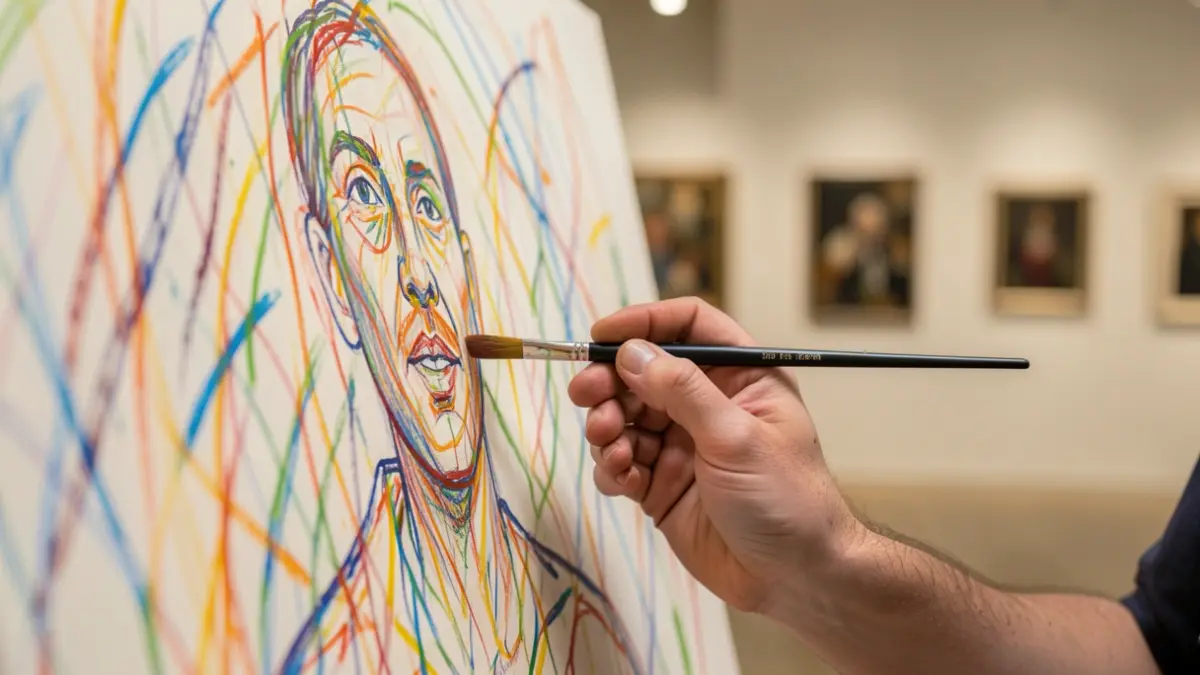
Members of the public can now participate in a free art workshop in Southend designed to improve psychological wellbeing. The workshop, titled “A Grey Woven Portrait”, has been developed by Dr Amit Sharma, a consultant psychiatrist and artist. It utilises simple art materials and clear instructions to guide participants through drawing a self-portrait and weaving reflections into it.
Dr Sharma explained his approach: “I have combined my work as a consultant psychiatrist with my experience as an artist to implement this new approach to psychological wellbeing by acknowledging vulnerabilities and strengths. The approach I use in the workshops helps participants process emotions and experiences using art and expressive drawing.”
The workshop has already seen over 130 EPUT staff attend sessions across various locations including Rochford, Basildon, Ipswich, Harlow and Colchester, with feedback described as encouraging and positive. This success prompted the decision to offer the opportunity to the wider public.
The public workshop, also led by Dr Amit Sharma, will take place at the Focal Point Gallery in Southend on 24 October. It invites participants to explore memories, emotions, and resilience through creative self-expression.
Dr Sharma added: “Participants can join for 20 minutes, or they are welcome to be in the gallery the full day!” The workshop is structured in three parts: creating, weaving, and discussing, with a focus on experimentation and discovering where the creative process leads.
Kim Davey from the Focal Point Gallery commented: “This is a slow, thoughtful workshop, developed in response to the themes and ideas explored within our exhibition, Compulsory Continuous Connectedness. It offers an opportunity to pause, reflect and spend time with your own thoughts and experiences through the process of making.”
Further information and booking details for the workshop can be found on the Focal Point Gallery website.
Essex Partnership University NHS Foundation Trust (EPUT) provides mental health and community care services to over 100,000 patients at any one time. The organisation has invested in facilities, technology, and staff training to enhance the safety and therapeutic quality of its services, including a 111 mental health crisis phone line, mental health urgent care departments, and crisis ambulance cars.