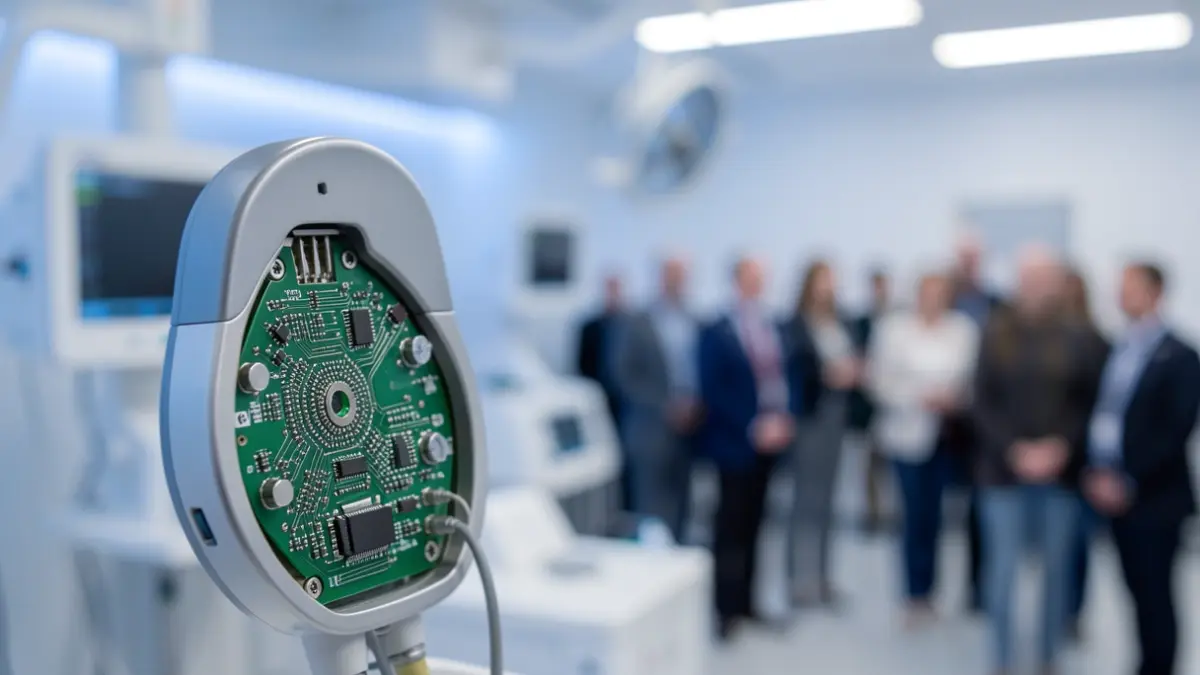
Clinicians at the West Essex Community Cardiac Team at Essex Partnership University NHS Foundation Trust (EPUT) and Royal Papworth Hospital NHS Foundation Trust in Cambridge are using innovative technology to proactively manage patients with severe heart failure. This new approach involves advanced pacemakers and monitoring equipment that detect early signs of health deterioration, allowing for interventions before symptoms worsen.
Patients fitted with advanced cardiac resynchronisation therapy (CRT) pacemakers have their heart health data, including rhythm, pace, and fluid retention, continuously collected. This information, transmitted via mobile phone or a small monitor using CareLink technology, is then analysed by a specialised tool called TriageHF. This analysis calculates the risk of hospitalisation within the next 30 days, triggering alerts for clinicians.
Upon receiving an alert, clinicians contact high-risk patients within 24 hours to review their symptoms and plan necessary treatment, aiming to prevent hospital admissions. The data is accessible via an electronic dashboard for both community and hospital teams, fostering coordinated care. For the community team, this may involve medication reviews and advice on fluid retention and physical activity, while the hospital team addresses heart rhythm and pace issues.
Royal Papworth Hospital remotely monitors approximately 8,000 patients with cardiac devices across the east of England, with around 3,000 using CareLink. Lisa Rose, a Community Heart Failure Specialist Nurse at EPUT, highlighted the positive impact of this technology, stating, “It’s really clever technology, which can detect potential problems before symptoms start to show.” She added that the system allows for early and appropriate treatment, reducing hospitalisation rates and enabling proactive care by combining clinical expertise with technological insights.
The collaboration between the West Essex Community Cardiac Team and Royal Papworth Hospital has improved communication and care. The community team has had access to the electronic dashboard since February, and they are the first community team to hold joint clinics with their hospital colleagues. This initiative aligns with EPUT’s priorities of providing seamless care closer to home through digital technology.
According to The Health Innovation Network, around 200,000 people in the UK are diagnosed with heart failure annually, leading to approximately 100,000 hospital admissions. It is estimated that around 40% of these admissions could have been prevented with earlier assessment. Philip Pelly, 77, a patient trialling the technology near Braintree, shared his positive experience, noting the comfort and reassurance provided by the remote monitoring and the dedicated care from clinicians like Lisa.
Sandra Silva, Highly Specialised Cardiac Physiologist at Royal Papworth Hospital, emphasised the importance of providing care closer to home and leveraging remote monitoring and co-management technology. This approach aligns with NICE recommendations and the NHS long-term plan for integrated services and digital technology. David Roberts, Senior Regional Business Director for Electrophysiology Therapies at Medtronic UK and Ireland, expressed pride in their technology's role in enabling proactive, connected care for heart failure patients.
The West Essex Community Cardiac Team serves patients in areas including Epping, Loughton, Harlow, Saffron Walden, Hatfield Heath, and Thaxted. They provide assessment, education, and condition management for heart failure patients and support recovery after cardiac events, continuously exploring new technologies and collaborative approaches to enhance patient care.