Zara Holland-Martin, now 14, from Rayleigh, developed diabetic ketoacidosis (DKA), a serious complication of type 1 diabetes, at the age of 13. Her family were told to prepare for the worst, but thankfully Zara recovered, thanks to the dedicated medical and support teams. Now, Zara and her mother, Mandy, are actively raising awareness and supporting other families affected by type 1 diabetes.
In the months leading up to her diagnosis, Zara experienced symptoms such as stomach pains, backaches, constant thirst, frequent urination, and dizziness. These were initially attributed to other causes by their GP practice. The situation escalated during a family weekend away in early August 2025, when Zara became visibly thinner and suffered from extreme exhaustion and persistent vomiting.
Mandy recounts: "She then developed an unquenchable thirst, drinking massive amounts of fluids and using the toilet constantly. Due to the warm weather, I mistakenly thought she just needed to keep hydrated. That evening she was sick a lot." Two days later, Zara was too exhausted to leave the car and, upon returning home, experienced repeated vomiting and difficulty breathing. Her heart rate was recorded at 178bpm, prompting an immediate trip to Southend Hospital.
Upon arrival at A&E, Zara was diagnosed with type 1 diabetes and DKA. A specialist team from Addenbrooke’s Hospital in Cambridge guided her care via phone, while local staff activated the Paediatric and Neonatal Decision Assessment (PANDA) protocol. Mandy described the terrifying experience: "While the medical team were asking me questions, they told me that they were wiring Zara up to a defibrillator in case her heart stopped. It was at this point that staff told me to call my family to come to the hospital, prepare for the worst, and say my goodbyes because she was not expected to live."
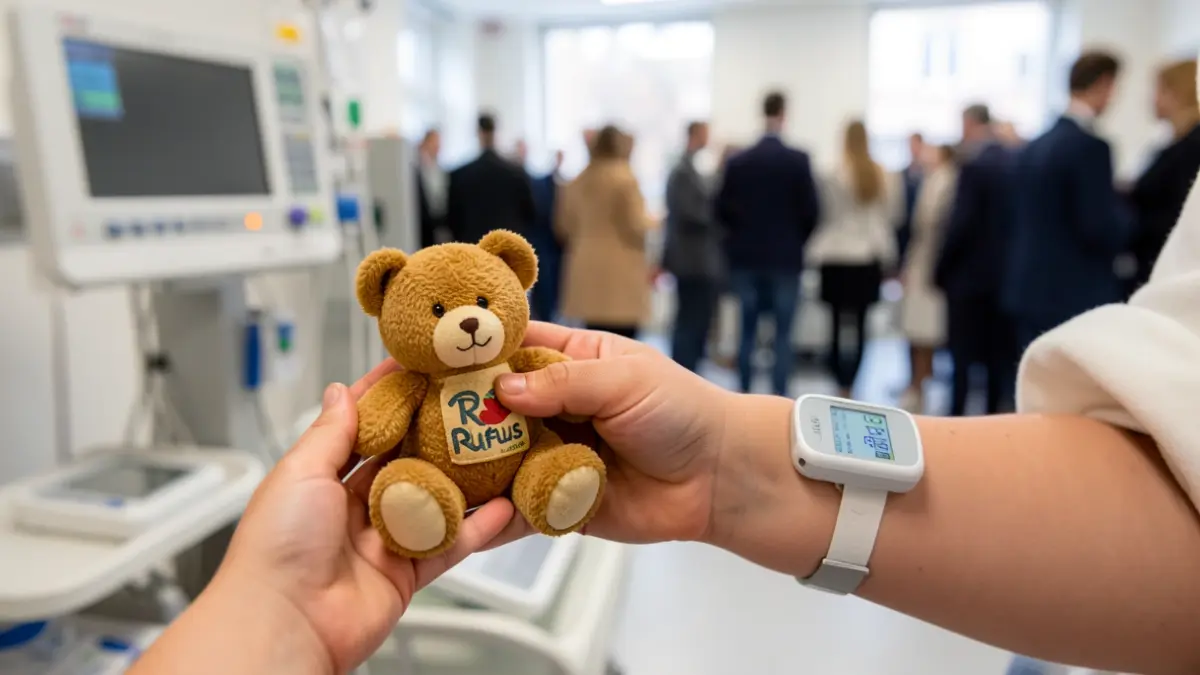
Zara was moved to the adult intensive care unit and slowly began to improve. During her week-long hospital stay, she received an educational 'Rufus Bear' and had her first Continuous Glucose Monitor fitted. Mandy reflected on the emotional toll: "Our experience felt like a catastrophic plane crash rather than a managed emergency landing. Her siblings are still adjusting to the emotional turmoil of what they saw." She also expressed guilt for not recognising the signs of type 1 diabetes and DKA earlier.
The family now advocates for recognising the '4Ts' of Type 1 diabetes: Toilet (going to the toilet more often), Thirsty (being constantly thirsty), Tired (feeling very tired), and Thinner (losing weight or looking thinner). Zara now manages her condition with a glucose monitor and insulin pump, regaining her independence and confidence.
Mandy emphasised the importance of early diagnosis, stating: "We want to ensure other parents recognise the signs. No family should ever have to endure the trauma we went through." She expressed profound gratitude to the medical and support teams. Zara, inspired by her experience, now aspires to become a paediatric nurse.
The article references the [National Paediatric Diabetes Audit Report on Care and Outcomes 2024/25] from the Royal College of Paediatrics and Child Health, highlighting that over one in four children and young people with newly diagnosed type 1 diabetes are admitted to hospital with DKA.