The new approach, termed 'neighbourhood health', aims to improve health outcomes for Essex residents by fostering better collaboration between organisations. Services will be organised around recognised communities, integrating GPs, community health teams, social care, and voluntary organisations. Some services will be planned and delivered across larger areas to leverage specialist expertise and resources, while others will be organised across the entire county.
The 38 neighbourhoods will serve as the foundation for bringing care closer to home. Within each neighbourhood, health and care professionals, alongside voluntary sector partners, will work together to identify individuals needing additional support and coordinate their care. This initiative places a greater emphasis on supporting physical and mental wellbeing, moving beyond solely treating illness.
To optimise specialist services and resources, some will continue to be organised across several neighbourhoods. For instance, a patient like Mrs Smith, an 82-year-old living alone who has experienced falls, might receive coordinated care from her local neighbourhood team, including her GP and social care colleagues. However, for specialist needs such as frailty assessment or physiotherapy, a 'multi-neighbourhood provider' spanning several areas could offer these services, ensuring better use of specialist staff and facilities.
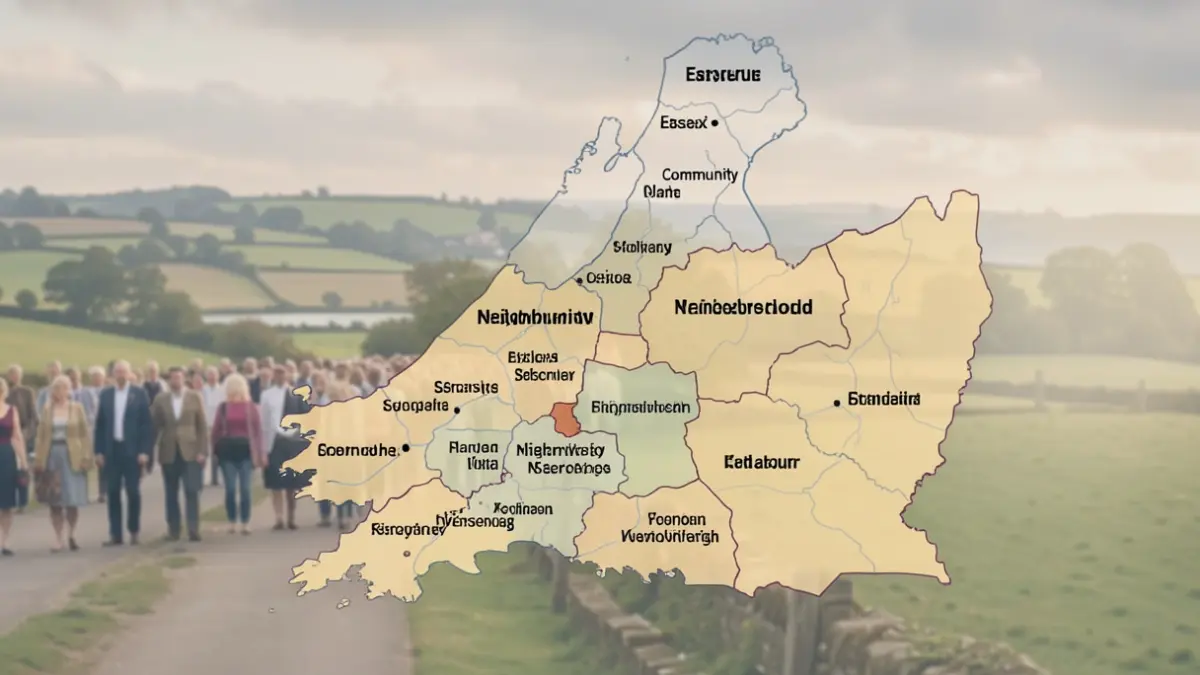
Essex is looking at three larger multi-neighbourhood areas to facilitate this coordinated approach. Area 1 will encompass Braintree, Colchester, Tendring, and Uttlesford. Area 2 will include Basildon, Brentwood, Epping, Harlow, and Thurrock. Area 3 will cover Chelmsford, Castle Point, Rochford, Maldon, and Southend. Each of these larger areas will serve approximately 600,000–700,000 residents, bringing together existing NHS, council, and voluntary sector partners.
The ambition is to combine the benefits of local, personalised care with the expertise and resources available across larger geographical areas. This strategy aims to ensure people receive the right support closer to home, preventing their health needs from becoming more serious.