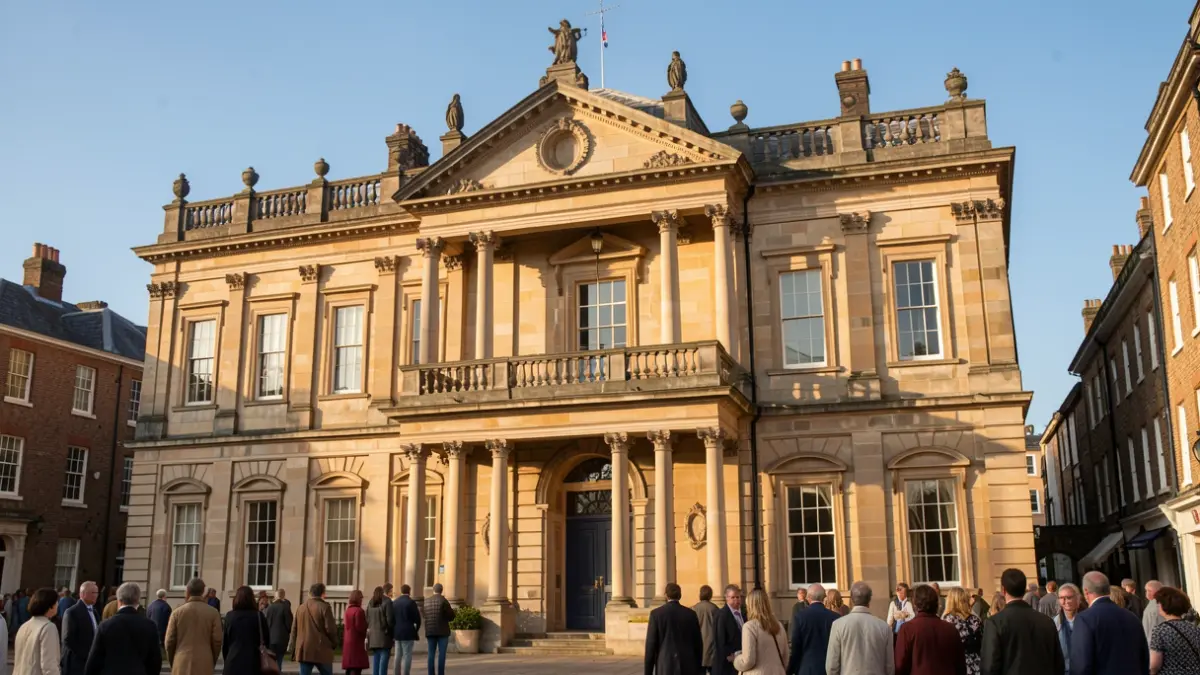
The Civic Quarter, described as the heart of Cambridge, encompasses centuries of civic, commercial, and cultural life. Market Square has been a focal point since the Middle Ages, the Guildhall site has served as the centre of local democracy for nearly 800 years, and the Corn Exchange has been a cornerstone of entertainment for over 150 years. Cllr Katie Thornburrow, Leader of Cambridge City Council, emphasised the council's duty to maintain these assets for public use, rejecting the idea of selling them.
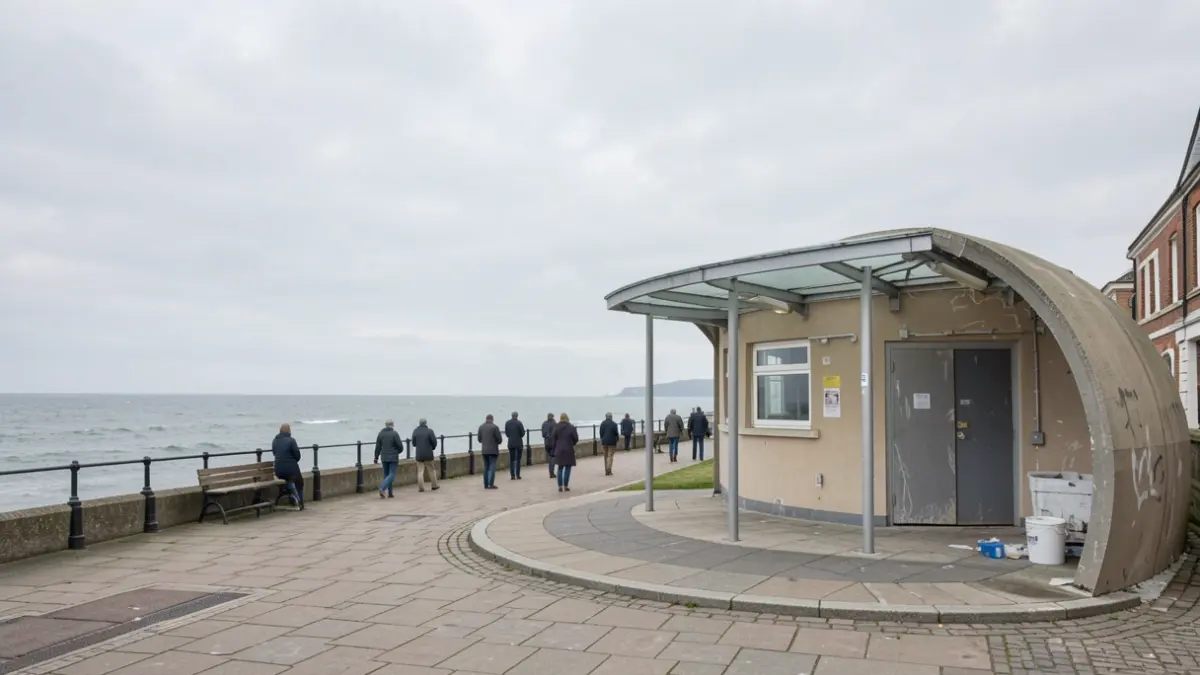
Significant underinvestment has led to serious issues, including unrepaired cobbles on Market Square for approximately 20 years, outdated electrical and water supplies, and the need to modernise toilet facilities and stalls. The Corn Exchange, the region's largest music venue, suffers from a leaking roof. The Grade II listed Guildhall incurs over £1 million annually to operate, with large areas remaining empty or affected by asbestos, leaks, and poor energy performance.
Recent global economic changes have increased costs for building materials, energy, and borrowing. Despite these challenges, the council is confident that work on Market Square and the Corn Exchange can proceed, pending final reviews. The Market Square project includes a level, accessible surface, modern power supplies, new trees, a restored fountain, and a mix of stalls to support the market and allow for evening events. Traders will be supported with a comprehensive package during repaving.
Upgrades at the Corn Exchange will feature acoustic improvements, enhanced seating, better bars, and step-free access, aiming to maintain its status as a premier cultural venue and income generator.
Regarding the Guildhall, selling it is seen as offering a low financial return due to urgent repair needs and the uncertainty of finding a buyer. Crucially, selling would end centuries of public access, likely converting it into a private hotel. The council's preferred approach is a sustainable refurbishment, transforming the deteriorating asset into an accessible public building with a café, meeting spaces, modernised facilities for events, and dedicated areas for democratic business, all while meeting robust energy standards.
Detailed financial modelling has been developed to ensure the decisions do not impose an unmanageable burden. Initial estimates have been reduced by over £10 million, and income from the Park Street redevelopment will establish a reserve for transitional costs. Decisions on proceeding with the project will be made by the Performance, Assets and Strategy Overview and Scrutiny Committee on 3 November, followed by the Cabinet on 17 November, with a final decision by Full Council on 26 November 2026.
Four options were presented regarding the Guildhall: undertaking a two-year refurbishment, keeping the building for council use while leasing parts commercially, leasing the entire building commercially, or deferring the decision to a new unitary council while acknowledging interim usability issues, or attempting to sell the building despite significant investment needs.