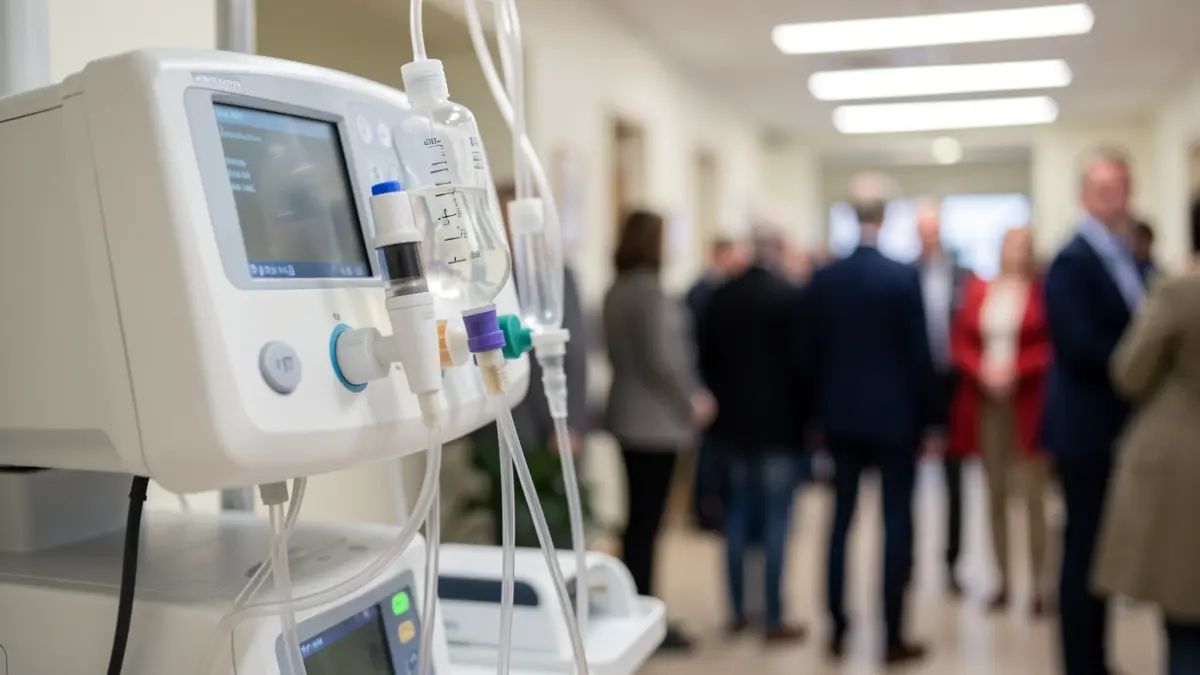
Royal Papworth Hospital NHS Foundation Trust is now caring for 8,000 patients with remote monitoring cardiac devices in the East of England, a significant increase from 1,500 in 2020. Specialist teams have collaborated with the West Essex Community Cardiac Team at Essex Partnership University NHS Foundation Trust (EPUT) to implement this technology, allowing for early intervention and treatment before symptoms of severe heart failure escalate.
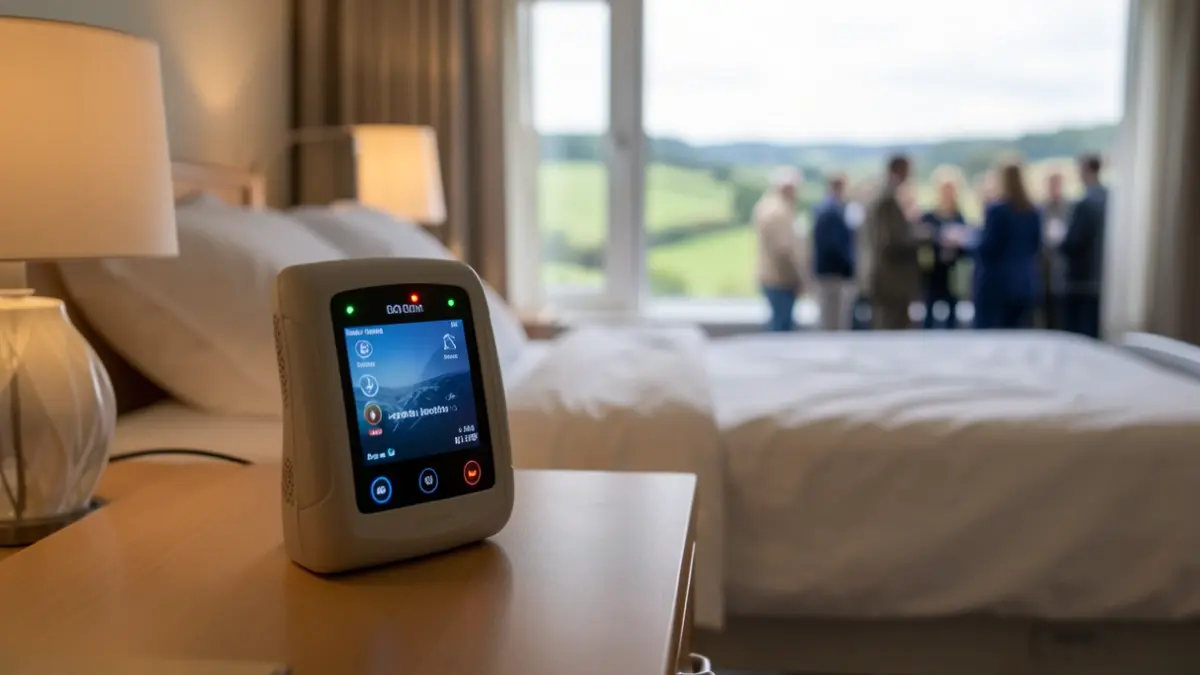
Patients with severe heart failure are often fitted with an advanced cardiac resynchronisation therapy (CRT) pacemaker that collects vital heart health data, including rhythm, pace, and fluid retention, as well as physical activity levels. This information is transmitted via a home-based MyCareLink relay monitor or a mobile phone using CareLink technology to NHS teams. A specialised assessment tool, TriageHF, analyses this data to calculate the risk of hospital admission within the next 30 days.
Clinicians receive alerts for high-risk patients and contact them within 24 hours to review symptoms and plan necessary treatment, aiming to prevent hospital admissions. The data is accessible on an electronic dashboard for both community and hospital teams, facilitating coordinated care. For community teams, this may involve medication reviews, fluid retention treatment, and physical activity advice, while the hospital team manages heart rhythm and pace issues.
Philip, a 77-year-old resident near Braintree in Essex, who received a CRT pacemaker last year, shared his positive experience: “The monitor sits on my bedroom windowsill and downloads information from my pacemaker device. The Royal Papworth staff are a wonderful team and I see them every six months and they check it’s all working properly,” he said, also commending the West Essex team.
Sandra Silva, Highly Specialised Cardiac Physiologist at Royal Papworth, highlighted the importance of providing care closer to home. “Combining remote monitoring with this co-management technology allows us to identify patients who are at risk of a possible hospital admission for heart failure,” she stated. “It has been a pleasure to develop our co-management pathway with the West Essex Community Cardiac Team and seeing the benefits of better, safer and faster care for heart failure patients across Essex.”
Of the 8,000 patients across the East of England monitored remotely, approximately 3,000 are managed using CareLink, developed by Medtronic, which works similarly to TriageHF.